
The State is currently under no obligation to provide consular assistance to plaintiffs in Gaza who hold an authorization for temporary stay (mvv).
“Wie gelijk heeft, zal ook zwijgend gelijk krijgen” (Yukio Mishima).
“Whoever is in the right will be proven right, even in silence” (Yukio Mishima).
NRC 27/11/26 Nieuws Nederland hoeft Gazanen met voorlopige verblijfsvergunning niet te helpen om visum op te halen in Jordanië: ‘Aan de politiek, niet aan de rechter’
Als voorzieningen rechter heb je het niet gemakkelijk: eerst moet je bepalen of je wel competent bent voor het verzoek om voorziening (bestuursrechter of civiele rechter), zo ja of het antwoord op de vraag een spoedeisend belang heeft (zo niet de bodemrechter) en zo ja, dan een gevoelige uitspraak (waar bij afwijzing het rechtsgevoel van de voorziening vragende een flinke deuk krijgt), waar je ook nog moet oppassen om niet op de stoel van de politiek/wetgever te zitten.
Zeker in een maatschappelijk gevoelige kwestie als in deze zaak kunnen rechtsregel en rechtsgevoel langs elkaar schuren.
https://uitspraken.rechtspraak.nl/details?id=ECLI:NL:RBDHA:2026:35124
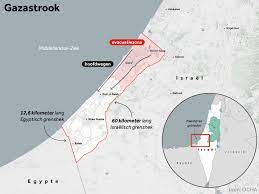
De voorzieningenrechter wordt gevraagd de overheid te verplichten consulaire bijstand te verlenen aan 141 studenten die in Gaza verblijven (zgn derdelanders) en een machtiging tot voorlopig verblijf (mvv) in Nederland hebben gekregen. Die machtiging moeten zij in persoon afhalen bij een Nederlandse ambassade. In Gaza heeft Nederland geen ambassade, wel in Egypte en Jordanië. Daarom moeten zij daar naar toe. Maar een probleem is, dat zij volgens eisers niet zonder consulaire hulp de ambassades kunnen bereiken en daar in Gaza in levensgevaar verkeren, vanwaar het spoedeisende karakter.
De voorzieningenrechter vertrouwt het verhaal van eisers en “acht het voldoende aannemelijk, dat de eisers in Gaza zonder consulaire hulp van de Staat niet in staat zijn om vanuit Gaza naar de Nederlandse ambassade in Jordanië en/of Egypte te reizen om hun mvv in ontvangst te nemen. De Staat heeft niet aannemelijk gemaakt dat de eisers in Gaza reële mogelijkheden ter beschikking staan om hun uitreis vanuit Gaza zelfstandig te bewerkstelligen.”
En dat is wel vreemd, omdat de bewijslast bij de Staat is neergelegd om het verhaal – want dat is het – van eisers te ontkrachten. Ongetwijfeld zal de rechter ook de media volgen en zoals het heet ‘uit eigen wetenschap’ kennis over de levensomstandigheden in Gaza hebben vergaard. Maar juridisch is geen snipper bewijs daarvoor aangeleverd.
Maar uiteindelijk pelt de voorzieningenrechter alle argumenten van eisers af en komt tot de conclusie, dat er geen sprake is van onrechtmatig handelen van de Staat en er geen afdwingbare verplichting is om aan eisers consulaire bijstand te verlenen. Een lezenswaardige uiteenzetting.
Maar niet, nadat de rechter er nog een slotoverweging uitgooit: “De voorzieningenrechter realiseert zich terdege dat deze uitkomst bij de eisende partijen hard aankomt. Duidelijk is dat de situatie in Gaza bijzonder schrijnend is en dat er in deze procedure voor de eisende partijen zwaarwegende belangen op het spel staan. Dit neemt echter niet weg dat de vorderingen in deze procedure uitsluitend langs een juridische lat moeten worden gelegd en dat een beoordeling langs die lat niet tot een voor de eisende partijen gunstige uitkomst leidt. De keuze om de eisers in Gaza desondanks toch te helpen, is voorbehouden aan de politiek en is niet aan de rechter.”
The position of a judge in preliminary relief proceedings is far from easy. First, one must determine whether one has the jurisdiction to hear the request for relief (as opposed to the administrative or civil court). If jurisdiction is established, one must then decide whether the matter is sufficiently urgent—otherwise, it falls to the court handling the merits of the case. If it is urgent, the judge must deliver a sensitive ruling; a decision to deny the request could deal a significant blow to the petitioner’s sense of justice. Throughout this process, the judge must also be careful not to overstep their bounds by encroaching upon the domain of politics or the legislature.
In a socially sensitive matter such as this, the strict letter of the law and the public’s sense of justice may well come into conflict.
The judge in these preliminary proceedings has been asked to compel the government to provide consular assistance to 141 individuals—students currently in Gaza—who have been granted authorization for temporary stay (machtiging tot voorlopig verblijf, or MVV) in the Netherlands. This authorization must be collected in person at a Dutch embassy. As the Netherlands has no embassy in Gaza—though it does have them in Egypt and Jordan—the individuals would need to travel to one of those countries. However, the plaintiffs argue that they cannot reach these embassies without consular assistance, and that they are in mortal danger while in Gaza—hence the urgent nature of the request.
The judge finds the plaintiffs’ account credible, stating that it is “sufficiently plausible that, without consular assistance from the State, the plaintiffs in Gaza are unable to travel from there to a Dutch embassy in Jordan or Egypt to collect their MVV. The State has failed to demonstrate that the plaintiffs in Gaza have any realistic means at their disposal to arrange their own departure from the territory.” And that is rather strange, given that the burden of proof has been placed on the State to refute the plaintiffs’ account—for that is all it is. The judge will undoubtedly have followed media reports and, as the legal term goes, acquired knowledge of the living conditions in Gaza “from their own awareness” (judicial notice). Yet, in legal terms, not a shred of evidence has been provided to support this.
Ultimately, however, the preliminary relief judge strips away all the plaintiffs’ arguments, concluding that the State has not acted unlawfully and that there is no enforceable obligation to provide the plaintiffs with consular assistance. It is an exposition well worth reading.
However, the judge adds one final observation: “The judge in these preliminary relief proceedings is fully aware that this outcome comes as a severe blow to the plaintiffs. It is clear that the situation in Gaza is exceptionally distressing and that the plaintiffs have significant interests at stake in these proceedings. Nevertheless, the claims in this case must be assessed strictly according to legal standards, and such an assessment does not lead to an outcome favorable to the plaintiffs. The decision to provide assistance to the plaintiffs in Gaza, despite this, is a matter for the political sphere, not for the court.”
Ingezonden reactie naar NRC 291126
De uitspraak in kort geding in de zaak van de studenten in Gaza die hun machtiging tot voorlopig verblijf (mvv) zonder consulaire bijstand moeten ophalen in het naburige Egypte of Jordanië kent een opmerkelijk standpunt van de eisers, die aan de Staat een grote zorgplicht toedicht (NRC 27/11/26 Nieuws Nederland hoeft Gazanen met voorlopige verblijfsvergunning niet te helpen om visum op te halen in Jordanië: ‘Aan de politiek, niet aan de rechter’).
Letterlijk “wie A zegt moet ook B zeggen”, inhoudende, dat de toewijzing van een mvv door de Staat ook de inspanningsverplichting inhoudt de mvv daadwerkelijk uit te reiken. De rechter gaat daar niet in mee, omdat er geen juridische verplichting is. Het standpunt van de studenten lijkt zo logisch, maar wat zouden zij doen, als de Staat de mvv niet zou toewijzen, omdat de kans dat een ambassade op eigen kracht wordt bereikt zo goed als nihil is – zoals zij zelf betogen, tenzij de studenten een Nederlandse ambassade kunnen bereiken, zodat de mvv daadwerkelijk kan worden uitgereikt? Het is speculeren, maar ik denk, dat de studenten een poging zullen wagen aan die voorwaarde te voldoen.
De voorzieningenrechter gelooft het verhaal van de studenten, dat zij in Gaza in levensgevaar verkeren en “acht het voldoende aannemelijk, dat de eisers in Gaza zonder consulaire hulp van de Staat niet in staat zijn om vanuit Gaza naar de Nederlandse ambassade in Jordanië en/of Egypte te reizen om hun mvv in ontvangst te nemen. De Staat heeft niet aannemelijk gemaakt dat de eisers in Gaza reële mogelijkheden ter beschikking staan om hun uitreis vanuit Gaza zelfstandig te bewerkstelligen.”
De bewijslast is bij de Staat neergelegd om het verhaal – want dat is het – van de studenten te ontkrachten. Dat is vreemd. Ongetwijfeld zal de rechter ook de media volgen en zoals het heet ‘uit eigen wetenschap’ kennis over de levensomstandigheden in Gaza hebben vergaard. Maar juridisch is geen snipper bewijs daarvoor aangeleverd. Toch toont de rechter uiteindelijk onafhankelijk te zijn door tegendraads niet aan het standpunt van de studenten tegemoet te komen. Die onafhankelijkheid vind ik het grootste goed van deze uitspraak.
Ricky Turpijn