
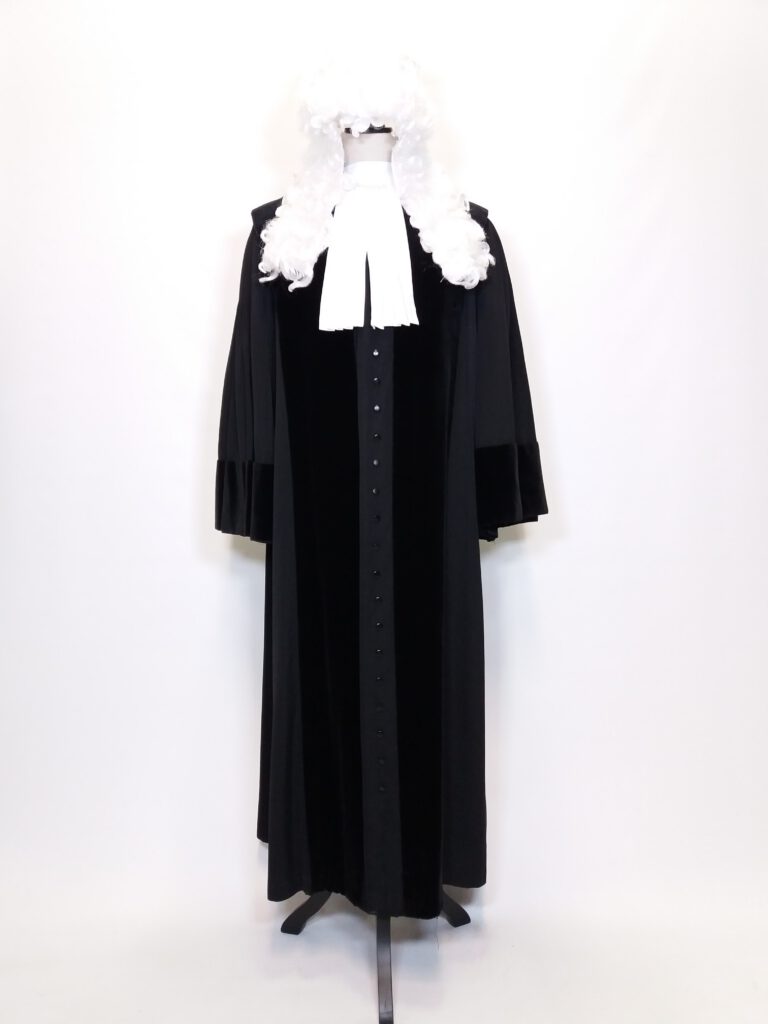
The European judge now without a backbone
De Europese top in Moldavië klaagt over rechters in Straatsburg die het mensenrechtenverdrag veel te ruim interpreteren, waardoor zij een streng migratiebeleid in de weg staan (NRC 15/5/26). Moldavië of all places. Willen de leiders hiermee duidelijk maken, dat Moldavië als kandidaat lid zich geen zorgen hoeft te maken over een onafhankelijke rechtspraak, een van de eisen voor toetreding? Niet het verdrag wordt aangepast zoals het hoort, maar de rechterlijke macht, een van de peilers van de trias politica, het symbool van de democratie, wordt onder druk gezet. Nog erger, de rechters geven daar gehoor aan. En dat is nieuw, Hiermee is de onafhankelijke rechtspraak – zonder last of ruggespraak oordelen – ten grave is gedragen. Maar het is ook een minachting van al die miljoenen Europese burgers die wel waarde hechten aan een rechter die de rug recht houdt. Geschilbeslechting op grond van interpretatie van de wet kent dus een politieke uitkomst. Het is wachten op de olievlekwerking.
The European summit in Moldova complains about judges in Strasbourg who interpret the human rights convention far too broadly, thereby obstructing a strict migration policy (NRC 15/5/26). Moldova, of all places. Do the leaders intend to make it clear with this that Moldova, as a candidate member, need not worry about an independent judiciary, one of the requirements for accession? It is not the treaty that is being amended as it should be, but the judiciary, one of the pillars of the separation of powers, the symbol of democracy, is being put under pressure. Even worse, the judges are complying. And that is new. With this, the independent judiciary—judging without constraint or consultation—has been laid to rest. But it is also a disregard for all those millions of European citizens who do value a judge who stands firm. Dispute resolution based on the interpretation of the law thus has a political outcome. We are waiting for the ripple effect.
Ricky Turpijn