Further budget cuts to the Tax and Customs Administration will not contribute to a financially healthy Netherlands at this time.
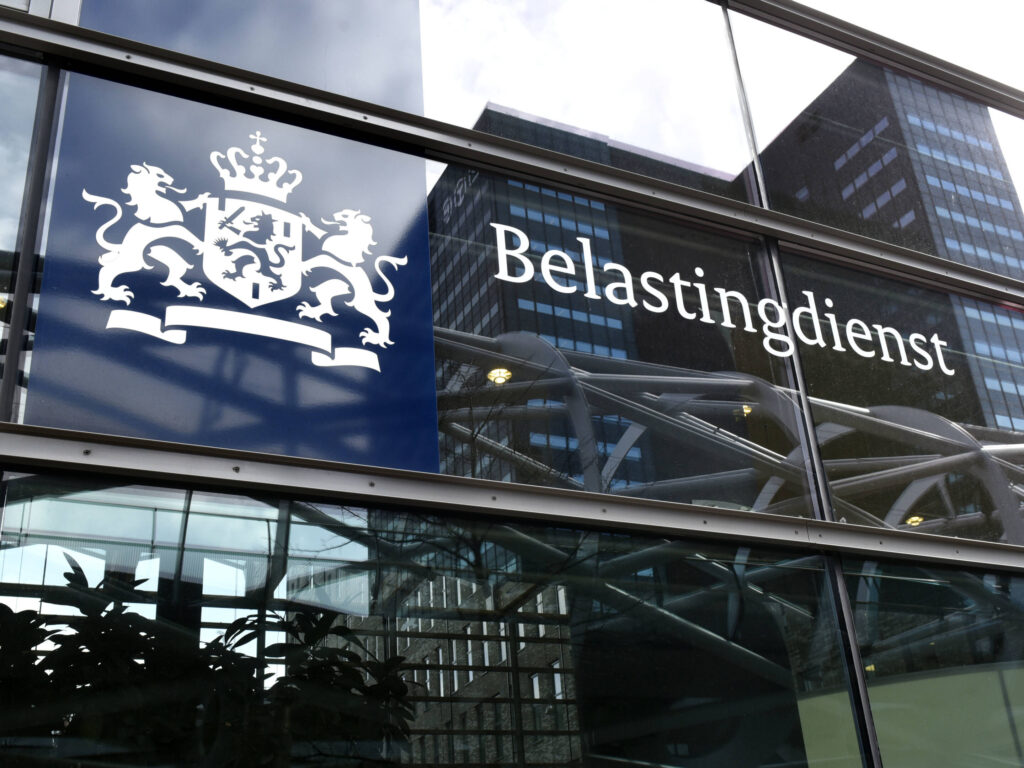
De Belastingdienst heeft als taak de heffing, inning en controle van belastingen. Onder het motto werken aan een gezond financieel Nederland. Dat kan je na het verhaal van ex-invorderaar Jasper Graaff in Buitenhof gevoeglijk op je buik schrijven (NRC 16/10/26 Kabinet gaat 162 miljoen extra bezuinigen op de Belastingdienst). Er ligt namelijk zo’n 25 miljard aan onder meer onbetaalde Corona aanslagen van voornamelijk MKB ondernemingen die wegens gebrek aan belastingpersoneel dreigen nooit meer geïnd te worden. Hoe langer je wacht, hoe moeilijker de invordering wordt. Een personeelsgebrek, die ook nog eens tot een controledichtheid van 1 op de 300 jaar leidt. Buitenhof heeft de bevestiging van deze cijfers van het ministerie van financiën gekregen. Als je daarbij bedenkt, dat de bezuiniging op de belastingdienst van een kleine 280 miljoen per jaar naar een dikke 400 miljoen in 2035 daar overheen komt, dan begrijp je, dat je heel erg moet vertrouwen op burgers, die hun aandeel (fair share) in de schatkist vrijwillig willen afdragen.
De Belastingdienst gaat uit van het vertrouwen, dat een ieder vrijwillig aan zijn/haar belastingverplichtingen voldoet. Daarom investeert zij in het zgn. horizontaal toezicht. Maar voor 25 miljard lijkt dat toezicht niet te hebben gewerkt. Welk belastingsysteem je ook kiest, het werkt alleen als iedereen meedoet. Anders komt er rot in de belastingmoraal. Want waarom zou je bijdragen, als je buurman het ook niet doet? Het is de kat op het spek binden, als je zwaar bezuinigt op het toezicht én belastingaanslagen niet int. Dat AI uitkomst zal bieden is naïef: juist voor het vullen van de schatkist zijn mensen van vlees en bloed nodig met name in de controle en inning. Volgens mij werkt het kabinet Jetten op deze manier helemaal niet aan een financieel gezond Nederland.
The Dutch Tax and Customs Administration is tasked with the assessment, collection, and auditing of taxes—all under the banner of working toward a financially healthy Netherlands. Following the account given by former tax collector Jasper Graaff on the television program Buitenhof, one can effectively abandon that notion (see NRC, Oct 16, 2026: “Cabinet to impose an additional €162 million in cuts on the Tax and Customs Administration”). There is currently an outstanding balance of approximately €25 billion—including unpaid COVID-era tax assessments, largely owed by small and medium-sized enterprises (SMEs)—that may never be collected due to a shortage of tax personnel. The longer the delay, the more difficult collection becomes. This staffing shortage has also resulted in an audit frequency of just once every 300 years—a figure confirmed to Buitenhof by the Ministry of Finance. When you add to this the planned budget cuts—rising from nearly €280 million annually to well over €400 million by 2035—it becomes clear that the system relies heavily on the assumption that citizens will voluntarily contribute their “fair share” to the public treasury.
The Tax and Customs Administration operates on the premise that everyone will voluntarily fulfill their tax obligations, which is why it invests in what is known as “horizontal monitoring” (a cooperative approach to compliance). Yet, in the case of the €25 billion in outstanding debt, this approach appears to have failed. Regardless of the tax system chosen, it only functions if everyone participates; otherwise, tax morale begins to rot. After all, why should you contribute if your neighbor doesn’t? Drastically cutting back on oversight while simultaneously failing to collect tax assessments is essentially inviting non-compliance—it is like leaving the cat in charge of the cream. It is naive to think that AI will provide the solution; filling the public coffers requires flesh-and-blood human beings—especially when it comes to oversight and tax collection. In my view, the Jetten cabinet’s current approach is not working toward a financially healthy Netherlands at all.
Ricky Turpijn