
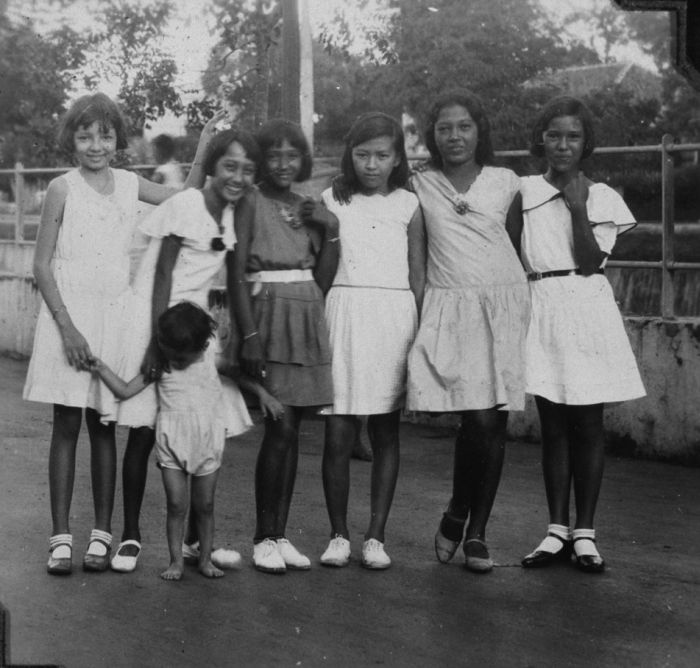
Who is making a career now? The nice girls, or the not-so-nice girls?
Japke-D Bouma komt in haar column op voor de aardige meisjes op kantoor (NRC 4/5/26). Niet omdat zij kansloos zijn in hun carrière jacht – want dat zijn zij volgens Japke-D wel – maar het systeem zou moeten veranderen door juist deze aardige meisjes de beste kansen daartoe te bieden. Een emotionele oproep, die niets zal veranderen, omdat het DNA van de werkvloer niet die is van de aardige meisjes.
Wat de columnist scherp en met humor aankaart – zoals zij dat bij elk onderwerp doet – is namelijk een verschijnsel, dat zich op elke kantoorvloer voordoet. Ook al hebben goedbetaalde managementgoeroes tegen beter weten in boeken vol geschreven over hoe het in het belang van het bedrijf anders moet. De werkvloer is namelijk niet voor aardige mensen. Toen de werkgemeenschap alleen uit mannen bestond waren bevorderingen voorbehouden aan collega’s die het recht van verbaal de sterkste het beste onder de knie hadden. Geleerd in het studentenleven. Onder aan de carrière ladder stond dan die alleraardigste collega, die zijn eindstation had bereikt. Voor die mannenbroeders was de opkomst van diversiteit reden om er een tandje bij te doen. Iedereen – ook gekleurd en/of niet man – moest in die maalstroom meedoen om verder te komen. Je naamplaatje hing alvast onder aan de ladder. Dat is uiteindelijk het DNA van de omgangsvormen op de werkvloer geworden. Het beste bewijs? De oproep van Japke-D Bouma in haar column.
In her column, Japke-D Bouma stands up for the nice girls in the office (NRC 4/5/26). Not because they are without a chance in their career pursuit—for according to Japke-D, they are—but because the system should change by offering precisely these nice girls the best opportunities to do so. An emotional appeal that will change nothing, because the DNA of the workplace is not that of the nice girls.
What the columnist addresses sharply and with humor—as she does with every subject—is, in fact, a phenomenon that occurs on every office floor. Even though well-paid management gurus have written entire books against their better judgment about how things should be done differently in the interest of the company. The workplace is simply not for nice people. When the work community consisted solely of men, promotions were reserved for colleagues who had mastered the law of the verbally strongest the best. Learned in student life. At the bottom of the career ladder stood that very nice colleague, who had reached his final destination. For those brothers in society, the rise of diversity was a reason to step things up a notch. Everyone—including people of color and/or non-men—had to join that maelstrom to get ahead. Your name tag was already hanging at the bottom of the ladder. That ultimately became the DNA of workplace etiquette. The best proof? Japke-D Bouma’s call in her column.
Ricky Turpijn