
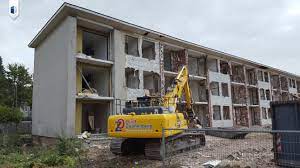
A social housing tenant now owns a rental property. Not so unfair.
Is het nu zo onrechtvaardig, dat een huurder van een corporatiewoning daarnaast zelf één of meerdere huizen bezit (NRC 14/1/26 Scheefwonen in kwadraat: duizenden corporatiehuurders blijken ook huiseigenaar te zijn). Het zijn woningen, die toch worden verhuurd en die dus niet onttrokken zijn aan de schaarse woningvoorraad. Mogelijk ook in het duurdere segment, maar deze huizen bieden ook scheefwoners van sociale woningen de gelegenheid door te stromen. Nu is niet de woningcorporatie, maar een mogelijke scheefwoner de eigenaar. Onrechtvaardig? Niet zwartwit.
Het kan hetzelfde gevoel oproepen als belastingontwijking: niet in strijd met de wet, maar wenselijk? Ook daar is het zo, dat een passende regel ertegen niet bestaat, maar dat het neerkomt op het eigen besef van fatsoen en beschaving. Het besef, waarvan de ene helft van de bevolking de andere helft verwijt het niet te hebben.
Is it so unfair that a social housing tenant also owns one or more houses themselves (NRC 14/1/26 “Skewed housing squared: thousands of social housing tenants also turn out to be homeowners”). These are homes that are rented out anyway and therefore haven’t been removed from the scarce housing stock. Possibly in the more expensive segment as well, but these houses also offer social housing residents with skewed housing the opportunity to move up. Now, it’s not the housing association, but a potential skewed resident who is the owner. Unfair? Not black and white.
It can evoke the same feeling as tax avoidance: not illegal, but desirable? There, too, there’s no appropriate rule against it, but it comes down to one’s own sense of decency and civility. The sense that half the population accuses the other half of lacking.
Ricky Turpijn