
Politics needs to return to the soapboxes in the park now
Onmatigheid. Een mooi woord, waar niet iedereen er een precies beeld bij heeft, maar je voelt dat het iets onbehoorlijks is. Tom-Jan Meeus gebruikt het om een groot deel van de huidige politici te duiden bij hun opstelling richting de stemming over het Belastingplan 2027 (NRC 14/11/26). Iets als buitensporigheid. Ja, zelfs schaamteloosheid.
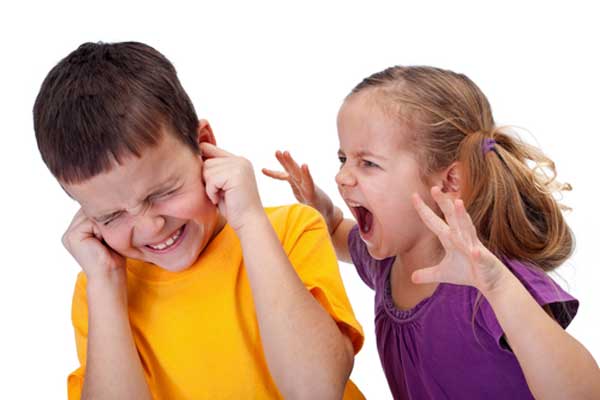
Het is allang niet meer zo, dat de politiek het goede voorbeeld voor de samenleving moet geven. Sterker, dat zou zelfs haaks op staan op een samenleving, waarin mensen zich al snel – terecht of onterecht – niet gehoord voelen en vervallen in lethargisch schouderophalen of juist agressief je gelijk halen. In dat bestel is het niet onlogisch, dat volksvertegenwoordigers niet het algemeen belang voorop laten staan, maar puur het volk vertegenwoordigen. De versplintering is daar het beste bewijs van. Als de onmatigheid op straat de norm is, dan hebben de vertegenwoordigers ervan het niet van een vreemde. Sterker, zij vertegenwoordigen hun achterban compromisloos.
Politiek ontstaat op straat. Door leiders die weten, dat je niet aan alle wensen van 18 miljoen leden van de club tegemoet kan komen. Maar die wel willen, dat die 18 mln een samenleving vormen. Ooit waren er speakerscorners, mensen die op een zeepkist gingen staan en hun overtuiging publiekelijk uitdragen op pleinen en parken. Ze zijn er niet meer. Blaas nieuw leven in dat podium. Sterker, institutionaliseer dat. Niet digitaal, maar in levenden lijve. Dan ontstaat het debat op straat en groeit er van onderop iets van een besef, dat je slechts samen verder kan in een samenleving, als je naar elkaar luistert en de ander iets gunt.
Intemperance. It is an evocative word—one that may not conjure a precise image for everyone, yet carries an unmistakable sense of impropriety. Tom-Jan Meeus uses it to characterize the stance of many contemporary politicians regarding the vote on the 2027 Tax Plan (NRC, 14/11/26). It suggests excess—perhaps even shamelessness.
The notion that politics should set a virtuous example for society has long since faded. In fact, such an expectation might even run counter to the reality of a society where many people—rightly or wrongly—feel unheard, leading them to respond either with a lethargic shrug or an aggressive insistence on being “right.” In such a system, it is not illogical for elected representatives to prioritize the specific demands of their constituents over the common good. The current political fragmentation is the clearest evidence of this. If intemperance has become the norm on the streets, then those who represent the public are simply reflecting what they see around them. Indeed, they represent their own base without compromise.
Politics begins on the street—driven by leaders who understand that while it is impossible to satisfy every wish of a nation’s 18 million members, it remains essential that those 18 million form a cohesive society. There was a time when “speaker’s corners” existed—places where individuals would stand on a soapbox in a public square or park to openly share their convictions. These spaces are gone. Let us breathe new life into that platform—or better yet, institutionalize it. Not in a digital space, but in person, face-to-face. Then the debate moves to the streets, and a realization begins to grow from the grassroots level: that in a society, you can only move forward together if you listen to one another and are willing to grant something to the other person.
Ricky Turpijn