
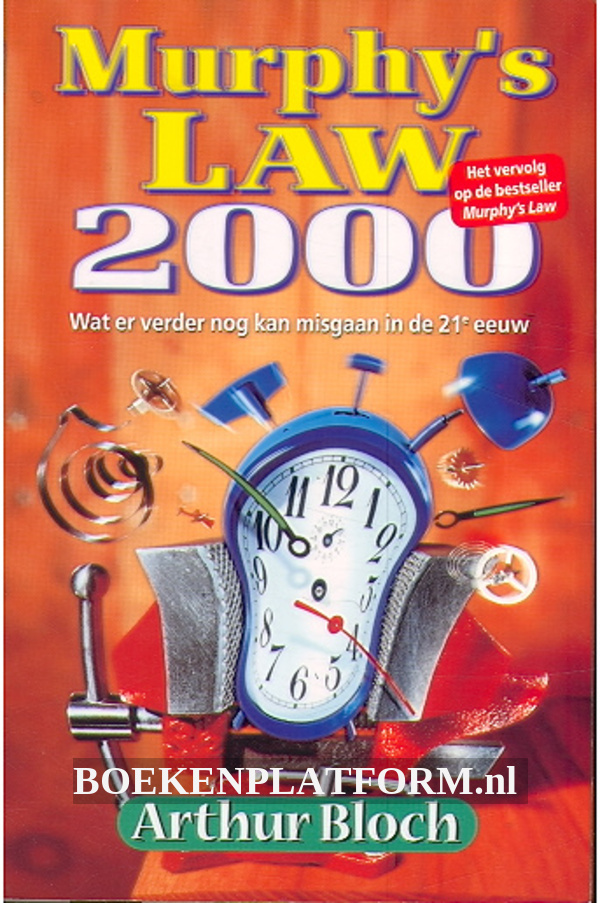
Tax and Customs Administration data vault. That is Murphy’s Law.
“Anything that can go wrong, will go wrong” (Edward A. Murphy).
Na het lezen van de Kamerbrief van de bewindslieden Toeslagen en Belastingdienst over de vanaf 2019 aanwezige digitale datakluis als opberghok van 64 mln documenten die afgeschermd moesten worden in verband met AVG wetgeving en privacy (NRC 16/4/26), viel het mij op, dat de Kamerbrief kennelijk ruim te laat is gestuurd.
https://open.overheid.nl/documenten/4f595e59-1bd4-446f-a751-c8038c465151
Op Taxlive met commentaar leden Tweede Kamer
Op Taxlive met commentaar stas Eerenberg
Op een tijdlijn van ontdekking door archiefmedewerkers in juli 2025 tot bevestiging eind 2025, dat er stukken niet aan de Parlementaire Enquête Fraude en Dienstverlening (PEFD) zijn overgelegd, heeft het nog tot april 2026 geduurd, voordat de Kamer wordt ingelicht. Volop excuses, natuurlijk, maar het beeld is toch, dat er iets scheelt aan de politieke antenne van deze twee bewindslieden over wat urgent is. Maar het zou zo maar symptomatisch kunnen zijn voor meer bewindslieden.
Maar wat doet dit met de gevoelens van de gemiddelde toeslagenambtenaar? Mogelijk, dat deze hard in lachen is uitgebarsten. Juist van deze ambtenaren hebben de gedupeerde ouders via hun advocaat herhaaldelijk, maar tevergeefs om documenten gevraagd, waaruit zou moeten blijken waarom zij zijn beschuldigd van opzettelijk of met grove schuld niet nakomen van hun verplichtingen. Dat de in groten getale aangetrokken herstelambtenaren vaak het antwoord ongeloofwaardig schuldig moesten blijven, lijkt nu mogelijk door de vergeten datakluis te worden verklaard. Evenals de bewindslieden geloof ik niet, dat er opzet in het spel is.
De overheid lijkt onderhand wel het niveau van Murphy’s Law te zijn ontstegen.
After reading the parliamentary letter from the Ministers for Benefits and the Tax and Customs Administration regarding the digital data vault present since 2019 as a storage place for 64 million documents that had to be protected in connection with GDPR legislation and privacy (NRC 16/4/26), it struck me that the parliamentary letter was apparently sent well too late.
On a timeline from discovery by archive staff in July 2025 to confirmation in late 2025 that documents had not been submitted to the Parliamentary Inquiry into Fraud and Service Provision (PEFD), it took until April 2026 before the House was informed. Plenty of excuses, of course, but the impression remains that there is something wrong with the political antenna of these two ministers regarding what is urgent. But it could very well be symptomatic of other ministers as well.
But what does this do to the feelings of the average benefits official? Possibly, that they burst out laughing. It is precisely from these officials that the aggrieved parents have repeatedly, but in vain, requested documents through their lawyers, which should prove why they have been accused of intentionally or through gross negligence failing to fulfill their obligations. The fact that the remedial officials hired in large numbers often had to implausibly withhold an answer now seems possibly to be explained by the forgotten data vault. Like the government ministers, I do not believe that intent is involved.
By now, the government seems to have surpassed the level of Murphy’s Law.
Ricky Turpijn